
ZACKULAR LAB
University of Pennsylvania and Children's Hospital of Philadelphia
The human gastrointestinal tract is home to a rich collection of microorganisms that has been termed the gut microbiota. This community of bacteria, fungi, archaea, and viruses is essential for our health and provides us nutrients, aids in digestion, primes our immune system, and confers colonization resistance to invading pathogens. In addition to keeping us healthy, the gut microbiota has also been associated with numerous diseases including obesity, Inflammatory bowel disease, and cancer. The field of microbiome research has made significant strides over the past decade, primarily powered by the rapid advancement of next generation sequencing technologies, but our understanding of mechanisms that drive microbiota-associated diseases remains limited.

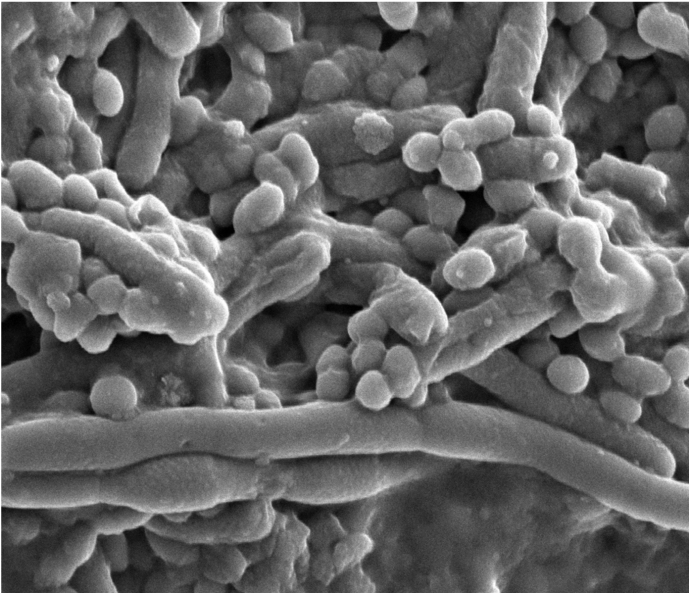


Our goal is to understand how interactions between the host, gut microbiota, and pathogenic microbes impact human health and disease. At the center of our research is the important nosocomial pathogen, Clostridioides difficile. Over the past decade, incidence, severity, and costs associated with C. difficile infection (CDI) have increased dramatically. The primary risk factor for CDI is antibiotic treatment, which disrupts the resident gut microbiota and leads to susceptibility to C. difficile. Interestingly, non-antibiotic associated CDI cases are on the rise, suggesting that unexplored host, environmental, and microbiota factors likely influence CDI. The Zackular lab is interested in understanding how the gut microbiota, nutrition, and environmental factors shape C. difficile pathogenesis and the host immune response to infection. The team is developing novel vaccine strategies for the prevention of C. difficile infection and using microbiome-based therapies for the treatment of disease. Finally, we are working to define how early-life colonization with C. difficile and other pathogens influences microbiota assembly, host immune and epithelial development, and later-life disease risk.
The research in our laboratory draws from numerous fields including microbiology, immunology, microbial ecology, host-pathogen interactions, and microbiota research. Our strategy is to leverage the strengths of high throughput sequencing technologies with more mechanistic strategies involving bacterial genetics, mass spectrometry, and imaging. Trainees in the laboratory gain interdisciplinary training and are involved in translational studies at the interface of basic and clinical research.
Dr. Zackular is founding Co-Director of the Center of Microbial Medicine, a center for emphasis at the Children’s Hospital of Philadelphia. This translational center is dedicated to finding cures and improving pediatric health through the lens of the microbiome. For more information on the Center for Microbial Medicine visit: https://www.research.chop.edu/center-for-microbial-medicine.

